

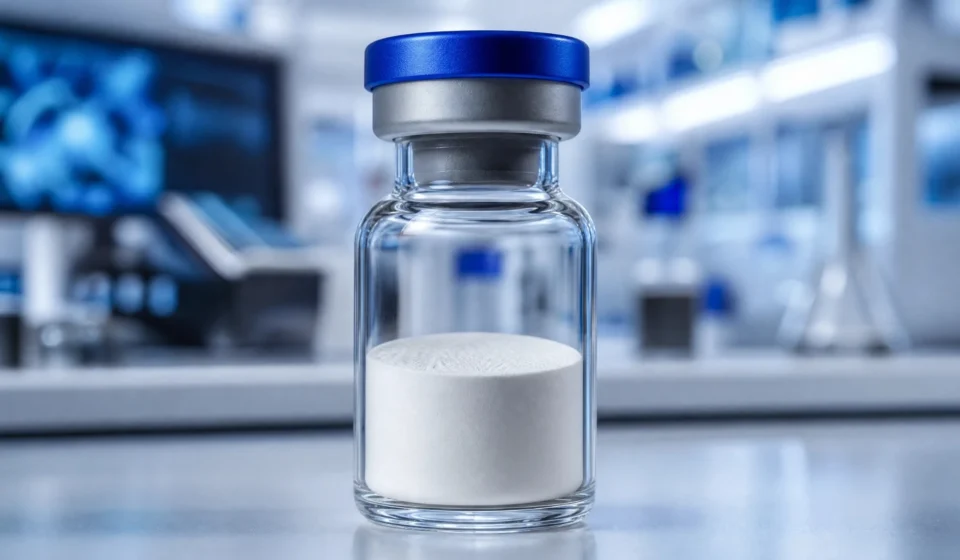
Crystagen Bioregulator Peptide: A Molecular Overview of Immune Homeostasis and Cytoprotection

Date: July 15, 2026
In the evolving landscape of longevity science, short-chain peptides—often referred to as bioregulators—represent a sophisticated class of signaling molecules. Among these, Crystagen, a synthetic tripeptide (L-Alanine, L-Glutamic Acid, and L-Aspartic Acid), has emerged as a focal point for research into immune system modulation and cellular protection. Unlike traditional pharmacological agents, Crystagen functions as a direct molecular switch, interacting with the cellular genome to maintain systemic balance.
The Mechanism: Genetic Signaling and Epigenetic Regulation
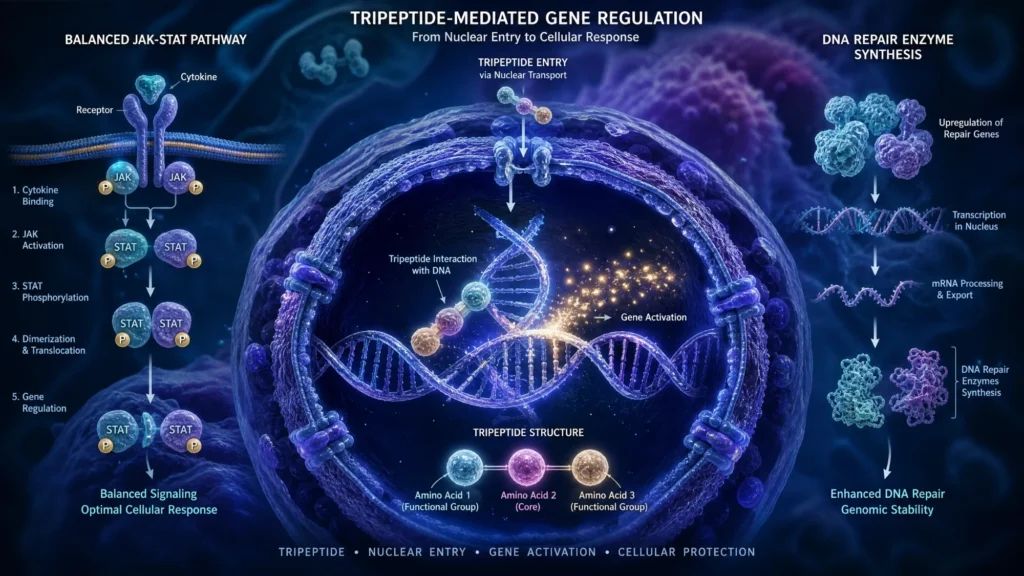
The primary mechanism of Crystagen involves its ability to penetrate the cell and nuclear membranes due to its ultra-low molecular weight. Once inside the nucleus, it interfaces directly with specific regulatory regions of DNA.
Research highlights three critical pathways:
- Epigenetic Modulation: Crystagen interacts with DNA promoters responsible for immune function, potentially reversing age-related “gene silencing” by modulating histone acetylation.
- JAK-STAT Pathway Regulation: In lymphocyte research, Crystagen helps balance the production of cytokines (such as TNF-α and IL-6), preventing chronic inflammation—a cornerstone of “inflammaging.”
- Genomic Integrity: Molecular modeling suggests Crystagen stimulates DNA repair enzymes, shielding cells from oxidative stress and environmental mutagens.
Discovery and Scientific Origins
Crystagen was developed through the pioneering work on “Peptide Bioregulators” at the St. Petersburg Institute of Bioregulation and Gerontology. By deconstructing the natural peptides found in the thymus, researchers isolated the specific tripeptide sequence (L-Ala-L-Glu-L-Asp) that yielded the highest biological activity. This synthetic version provides a stable, high-purity research tool for investigating immune reconstruction.
Key Research Findings
1. Lymphocyte Proliferation and Immunosenescence
In vitro studies on human lymphocyte cultures indicate that Crystagen can:
- Stimulate T-Cell Activation: It demonstrates a concentration-dependent increase in CD4+ (helper T-cell) proliferation.
- Optimize Mitochondrial Function: Histological analyses show enhanced metabolic activity within immune cells, suggesting improved cellular longevity.
2. Tissue Repair and Stress Resilience
In models of tissue injury and environmental stress, Crystagen has shown potential to:
- Reduce Apoptosis: Pre-treated cells exhibit significantly lower programmed cell death when exposed to oxidative agents.
- Accelerate Regeneration: Research suggests an up-regulation of growth factors like TGF-β, which are essential for structural tissue repair.
Synopsis
Crystagen stands as a unique tool for researchers investigating the intersection of immunology and longevity. By acting as a direct signal molecule for gene regulation, it offers a promising path toward understanding how to maintain immune homeostasis and protect against cellular degradation.
LABORATORY RESEARCH NOTE: This product is intended for scientific research and laboratory use only. It is not for human consumption or personal use. All experimental procedures must be conducted in a controlled environment by qualified professionals.
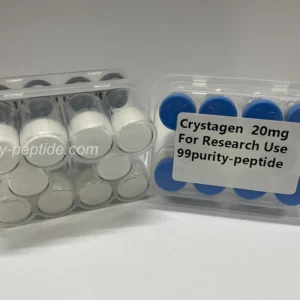
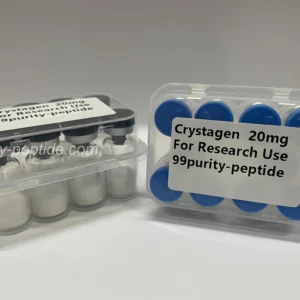
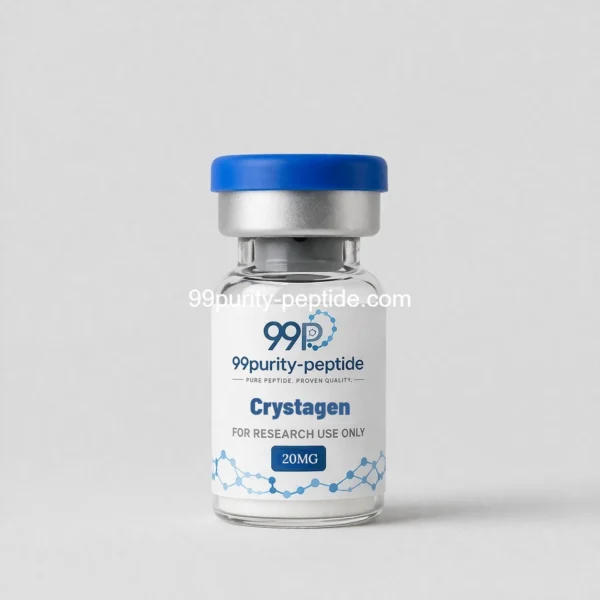
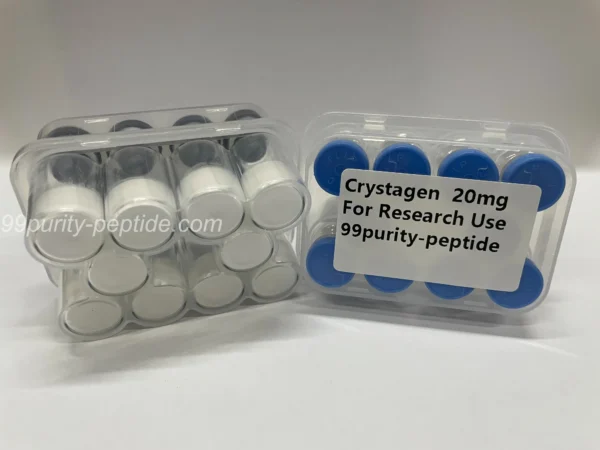
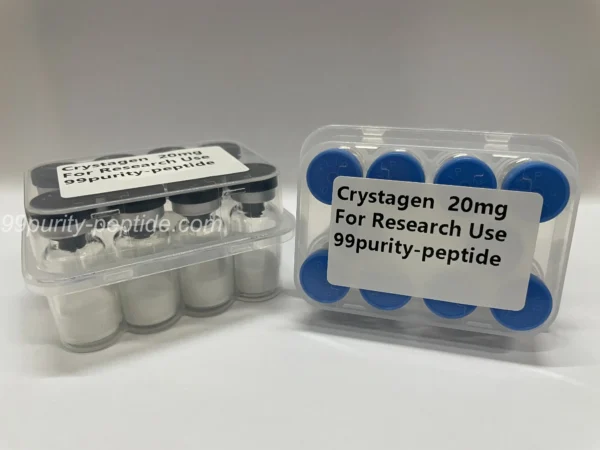
Crystagen 20mg – Lymphocyte Function & Immune Homeostasis Research
A potent immune-bioregulator. Specialized for research into lymphocyte activity, immune system regeneration, and systemic cellular repair following physiological stress.